Bánh Mì Meets Brioche: The Food Hustlers Cooking Up a New Vietnamese-American Identity
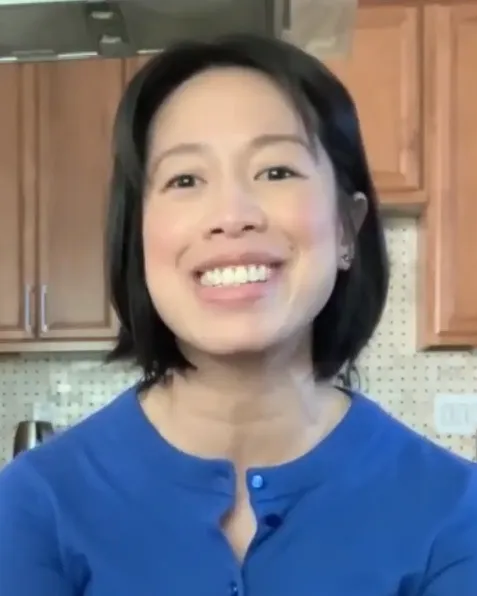
Photo: TAG TV, CC BY 3.0, via Wikimedia Commons
When Tiffany Vũ started selling her lemongrass-glazed croissants at a farmers market in Portland, Oregon, she braced herself for the criticism. From both directions.
"I knew some Vietnamese folks would say I was messing with tradition," she says. "And I knew some food purists would roll their eyes at 'fusion.' I got both. I also sold out in two hours."
Tiffany's pastry — a buttery, flaky croissant brushed with a lemongrass-coconut glaze and filled with a savory pork pâté — is absurd on paper and revelatory in practice. It's also a perfect symbol of a broader moment happening in Vietnamese-American food culture right now.
Across the country, a generation of Vietnamese-American entrepreneurs is opening cafes, launching pop-ups, and building food brands that don't ask permission to exist between cultures. They're not abandoning their heritage — if anything, they're obsessed with it. But they're also unafraid to let it evolve.
The Courage to Remix
Innovating on traditional food is genuinely risky business, and not just financially. There's cultural weight involved. Vietnamese cuisine — with its precise broths, its herb-forward freshness, its regional loyalties — carries enormous community pride. Change the wrong thing and you'll hear about it from every auntie within a five-mile radius.
But that's exactly the tension these entrepreneurs are leaning into.
David Phạm, who runs a Vietnamese-Cajun fusion restaurant in Houston's East End called Sông & Bayou, grew up eating both pho and crawfish boils depending on which side of the family he was visiting. Opening the restaurant felt less like a business decision and more like an autobiography.
"My whole life has been this mashup," David says. "Vietnamese dad, Louisiana-born mom, raised in Houston. The food I make isn't a gimmick — it's literally what my childhood tasted like."
His bestseller? A crawfish pho that has a three-hour line on weekends and a dedicated Instagram following of over 40,000 people. The broth is his grandmother's recipe. The crawfish is very much not.
From Cơm Tấm to Grain Bowls
Not every Vietnamese-American food entrepreneur is going the fusion route. Some are doing something arguably more challenging: translating traditional dishes into formats that work for mainstream American dining habits without losing what makes them special.
Cassandra Lương opened Broken Rice & Co. in Denver two years ago with a simple premise. She wanted to make cơm tấm — the beloved broken rice dish that's a staple of southern Vietnamese street food — approachable for a city where most people had never heard of it.
The restaurant looks, at first glance, like any modern fast-casual spot. Clean lines, a minimalist menu board, a soundtrack that shifts between Vietnamese pop and indie folk. But everything on the menu traces directly back to a dish or ingredient her family made in Sài Gòn before they immigrated in the early 1990s.
"I didn't want to hide the Vietnamese-ness of it," Cassandra explains. "I wanted to make it easy for someone who's never tried Vietnamese food to say yes. And then, once they say yes, to actually learn something."
Every item on the menu comes with a small card explaining its origins. The chả trứng hấp. The mắm nêm dipping sauce. The history of why the rice is broken in the first place. Cassandra calls it "edible storytelling."
The restaurant is now one of Denver's most-reviewed spots on Yelp, with a customer base that's roughly half Vietnamese-American and half people who stumbled in after seeing it on a food blog.
Building Bridges, One Order at a Time
There's something quietly political about what these food entrepreneurs are doing, even if most of them would never use that word.
In a cultural moment when immigration and identity are constantly being debated at a national level, a Vietnamese-American-owned restaurant that draws in a diverse crowd and sparks genuine curiosity about Vietnamese culture is doing real community work. Food, it turns out, is still one of the most effective diplomats we have.
Jenny Trần runs a bánh mì pop-up in Brooklyn called Baguette & Beyond that has become something of a neighborhood institution in her corner of Bushwick. She started it during the pandemic as a way to stay busy and ended up building a loyal following that spans Vietnamese expats, local artists, and the kind of food-obsessed New Yorkers who will wait forty-five minutes for a sandwich without complaint.
"What I didn't expect," Jenny says, "was how many conversations would happen around the food. People ask me about Vietnam, about my family, about the ingredients. It opens doors I didn't know were closed."
Her most popular creation — a bánh mì made on a house-baked black sesame baguette, filled with five-spice duck confit and pickled daikon — took six months to perfect. It's been featured in three food publications and, more importantly to Jenny, has introduced the concept of bánh mì to customers who had never encountered one.
What the Next Generation Is Really Hungry For
Talk to any of these food entrepreneurs long enough and a common theme emerges: they're not trying to replace traditional Vietnamese food. They love it too much for that. What they're building is something alongside it — a parallel track that speaks to who they actually are.
Third-culture kids. Hyphenated Americans. People who grew up eating phở for breakfast and Lucky Charms for lunch and somehow made peace with both.
Tiffany Vũ, back in Portland, just signed a lease on her first brick-and-mortar cafe. The menu will feature her now-famous croissants alongside Vietnamese iced coffee, savory bánh cuốn, and a rotating selection of pastries inspired by her grandmother's recipes.
She's already heard from a few people that it's "too confusing." She takes that as a compliment.
"Confusing means it doesn't fit neatly into a box," she says. "And I've never fit neatly into a box. Neither has my food. I think that's kind of the point."
The Vietnamese-American food scene isn't just changing what's on the menu. It's changing the conversation about what it means to carry a culture forward — with reverence, with creativity, and with a very good appetite.